Description
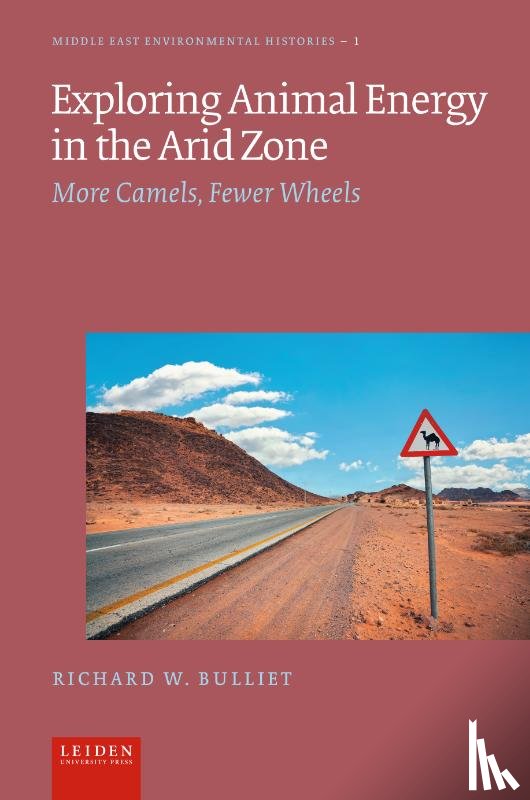
'Exploring Animal Energy in the Arid Zone' focuses on the integration of animal power as an energy source in the area ranging from Morocco to Mongolia. Every society has an energy profile, that is, an array of energy sources, ranging in complexity from human power to nuclear fusion, that can be ranked according to their relative importance to that society. From about 4000 BCE onward, animal muscle power becomes integrated into the energy profiles of many societies. The forms this integration takes include riding, carrying burdens, pulling wheeled vehicles and sleighs, operating mills and irrigation devices, and pulling plows, threshing sleds, and other agricultural implements. The use of animal power varies from region to region. These variations can be understood as falling into six discrete zones.
The distinctive features of the arid zone from Morocco to Mongolia constitute the primary focus of this book. Successive chapters deal with caravan trading as a mode of production, the relationship between dairying and the availability of working animals, the spread of hybrid animal breeding (mules, bukhts, dzos) as an economic enterprise, and the integration of pastoral nomadism into the overall economy. Every society has an energy profile, that is, an array of energy sources, ranging in complexity from human power to nuclear fusion, that can be ranked according to their relative importance to that society. From about 4000 BCE onward, animal muscle power becomes integrated into the energy profiles of many societies. The forms this integration takes include riding, carrying burdens, pulling wheeled vehicles and sleighs, operating mills and irrigation devices, and pulling plows, threshing sleds, and other agricultural implements. The use of animal power varies from region to region. These variations can be understood as falling into six discrete zones.
The distinctive features of the arid zone from Morocco to Mongolia constitute the primary focus of this book. Successive chapters deal with caravan trading as a mode of production, the relationship between dairying and the availability of working animals, the spread of hybrid animal breeding (mules, bukhts, dzos) as an economic enterprise, and the integration of pastoral nomadism into the overall economy. Table of Contents
Prologue
Introduction: Animal Energy
Exploration One: Camel Caravans as a Mode of Production
Exploration Two: A Miller’s Tale
Exploration Three: The Two-Ox Mystery and the Price of Milk
Exploration Four: Unnatural Selection
Conclusion: The Missing Chapter
Bibliography