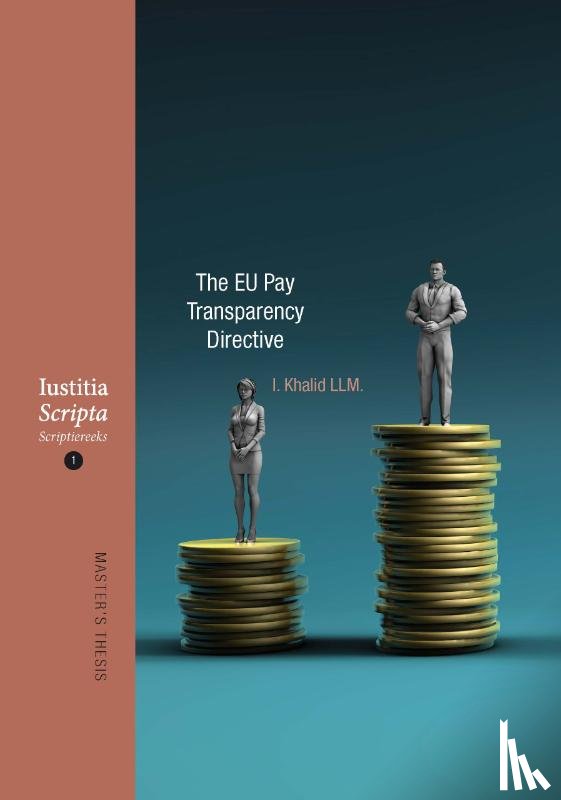
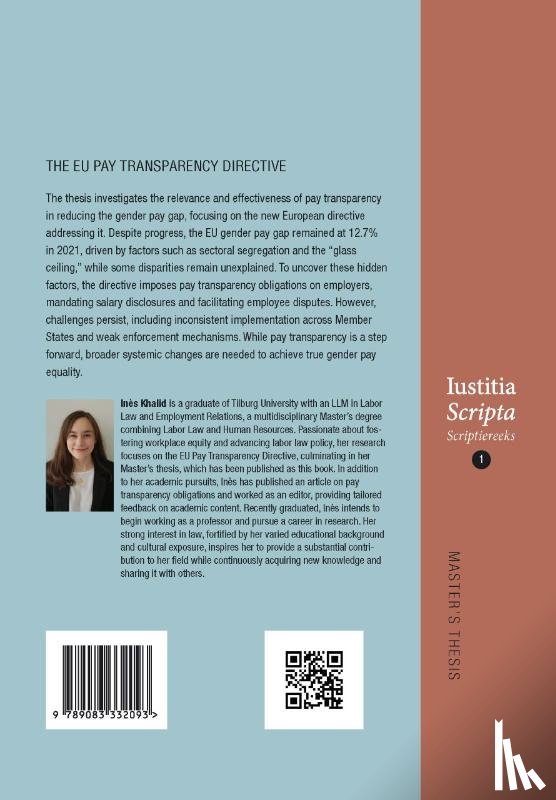
The thesis investigates the relevance and effectiveness of pay transparency in reducing the gender pay gap, focusing on the new European directive addressing it. Despite progress, the EU gender pay gap remained at 12.7% in 2021, driven by factors such as sectoral segregation and the "glass ceiling," while some disparities remain unexplained. To uncover these hidden factors, the directive imposes pay transparency obligations on employers, mandating salary disclosures and facilitating employee disputes. However, challenges persist, including inconsistent implementation across Member States and weak enforcement mechanisms. While pay transparency is a step forward, broader systemic changes are needed to achieve true gender pay equality.
I have a question about the book:
'The EU Pay Transparency Directive - Khalid, Inès'.
Fill in the form below.
We will respond as fast as possible.
We value your privacy
We use cookies to measure traffic, improve Boekstra and let Google tailor ads to your interests. You can keep using the site either way — even if you decline. More info