For half a century the housewives of Pont-l'Eveque had envied Madame Aubain her servant Felicite.
For a hundred francs a year, she cooked and did the housework, washed, ironed, mended, harnessed the horse, fattened the poultry, made the butter and remained faithful to her mistress—although the latter was by no means an agreeable person.
Madame Aubain had married a comely youth without any money, who died in the beginning of 1809, leaving her with two young children and a number of debts. She sold all her property excepting the farm of Toucques and the farm of Geffosses, the income of which barely amounted to 5,000 francs; then she left her house in Saint-Melaine, and moved into a less pretentious one which had belonged to her ancestors and stood back of the market-place.
This house, with its slate-covered roof, was built between a passage-way and a narrow street that led to the river. The interior was so unevenly graded that it caused people to stumble. A narrow hall separated the kitchen from the parlour, where Madame Aubain sat all day in a straw armchair near the window. Eight mahogany chairs stood in a row against the white wainscoting.
I have a question about the book:
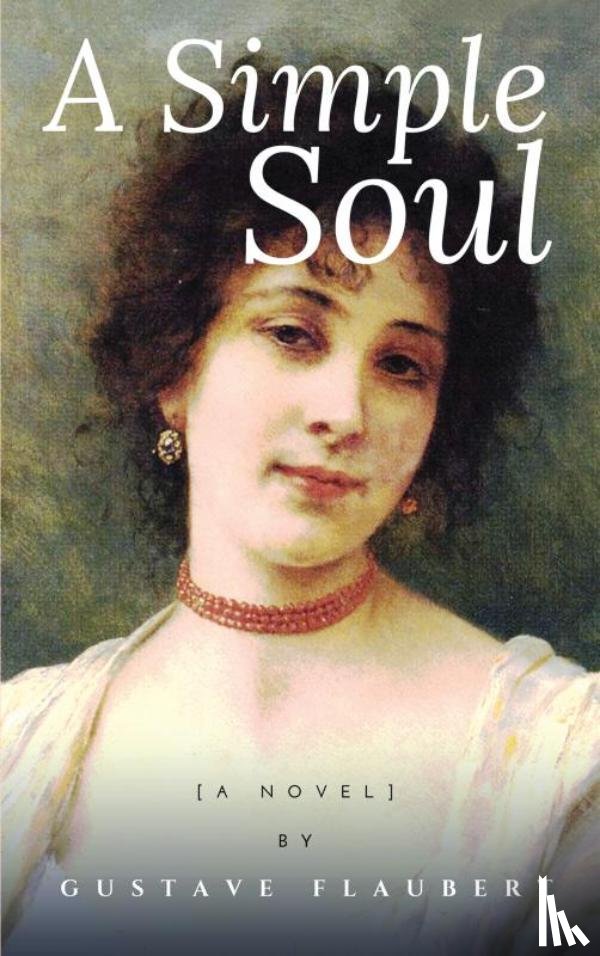
'A Simple Soul - Flaubert, Gustave'.
Fill in the form below.
We will respond as fast as possible.
We value your privacy
We use cookies to measure traffic, improve Boekstra and let Google tailor ads to your interests. You can keep using the site either way — even if you decline. More info