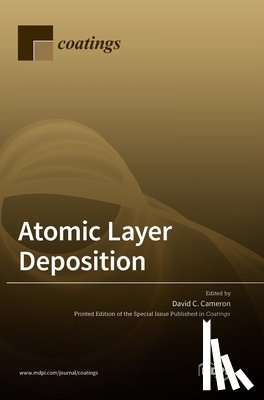
Atomic layer deposition (ALD) is a thin film deposition process renowned for its ability to produce layers with unrivaled control of thickness and composition, conformability to extreme three-dimensional structures, and versatility in the materials it can produce. These range from multi-component compounds to elemental metals and structures with compositions that can be adjusted over the thickness of the film. It has expanded from a small-scale batch process to large scale production, also including continuous processing - known as spatial ALD. It has matured into an industrial technology essential for many areas of materials science and engineering from microelectronics to corrosion protection. Its attributes make it a key technology in studying new materials and structures over an enormous range of applications. This Special Issue contains six research articles and one review article that illustrate the breadth of these applications from energy storage in batteries or supercapacitors to catalysis via x-ray, UV, and visible optics.
I have a question about the book:
'Atomic Layer Deposition - DAVID C. CAMERON'.
Fill in the form below.
We will respond as fast as possible.
We value your privacy
We use cookies to measure traffic, improve Boekstra and let Google tailor ads to your interests. You can keep using the site either way — even if you decline. More info