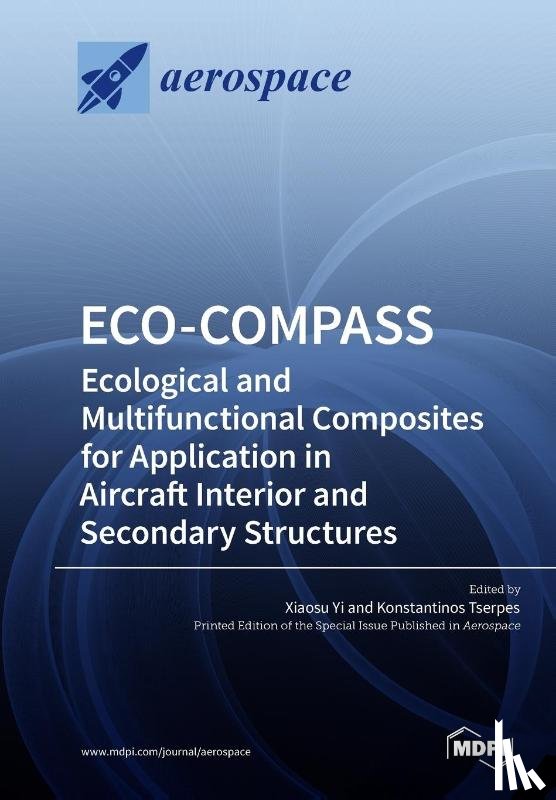
Ecological and Multifunctional Composites for Application in Aircraft Interior and Secondary Structures
Description
Today, mainly man-made materials, such as carbon and glass fibers, are used to produce composite parts in aviation. Renewable materials, such as natural fibers or bio-sourced resin systems, have not yet found their way into aviation. The project ECO-COMPASS aims to evaluate the potential applications of ecologically improved composite materials in the aviation sector in an international collaboration of Chinese and European partners. Natural fibers such as flax and ramie will be used for different types of reinforcements and sandwich cores. Furthermore, bio-based epoxy resins to substitute bisphenol-A based epoxy resins in secondary structures are under investigation. Adapted material protection technologies to reduce environmental influence and to improve fire resistance are needed to fulfil the demanding safety requirements in aviation. Modelling and simulation of chosen eco-composites aims for an optimized use of materials while a Life Cycle Assessment aims to prove the ecological advantages compared to synthetic state-of-the-art materials. This Special Issue provides selected papers from the project consortium partners.
I have a question about the book:
'Eco-Compass - Yi, Xiaosu'.
Fill in the form below.
We will respond as fast as possible.
We value your privacy
We use cookies to measure traffic, improve Boekstra and let Google tailor ads to your interests. You can keep using the site either way — even if you decline. More info