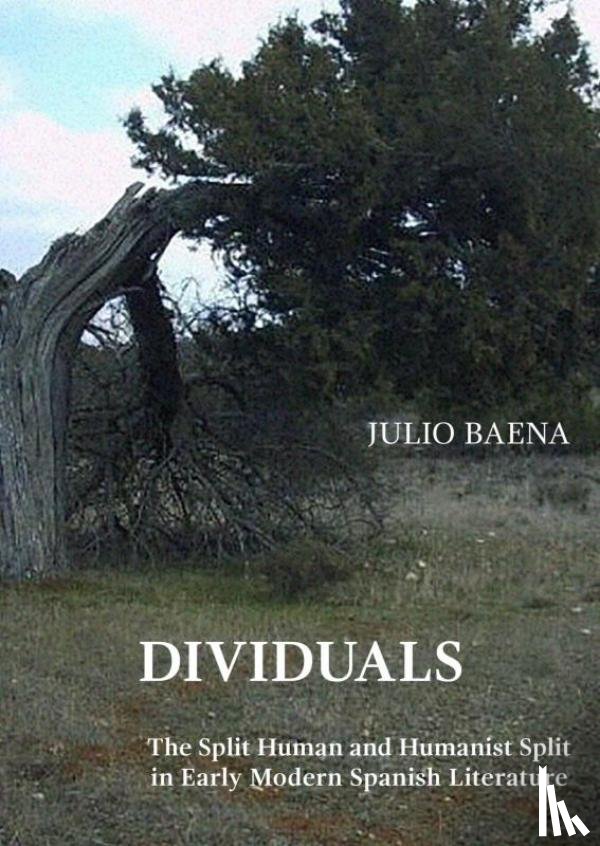
The Split Human and Humanist Split in Early Modern Spanish Literature
Description
Dividuals explores the other side, or hidden side of modern subjectivity, as seen in (mostly four) early modern Spanish classics. Veering away from the hypertrophied notions of individuality and identity, which constitute the bases of our own post-humanism and even anti-humanism, this essay looks into how, as humans, and as humanists, we have a long history of showing dividuality, a never-ending split in our beings. The split manifests itself in the humanist’s split between historicist, socio-economic explanations of subjectivity (i.e.: how “modern man” is historically bound to a time, a space, and a specific mode of production/ideology), of which Marxism has been the most characteristic expression, and explanations of subjectivity in which, on the contrary, the human psyche emerges every day of every era in relation to more universal traits such as language (i.e.: how “modern man” was always “there” as long as the construction of individuality depends on language and its endless signifying mechanics), of which psychoanalysis is the main discourse. But the split also manifests itself in the deeply contradictory nature of Don Quixote, Celestina, Lazarillo, or Diana.
I have a question about the book:
'Dividuals - Baena, Julio'.
Fill in the form below.
We will respond as fast as possible.
We value your privacy
We use cookies to measure traffic, improve Boekstra and let Google tailor ads to your interests. You can keep using the site either way — even if you decline. More info