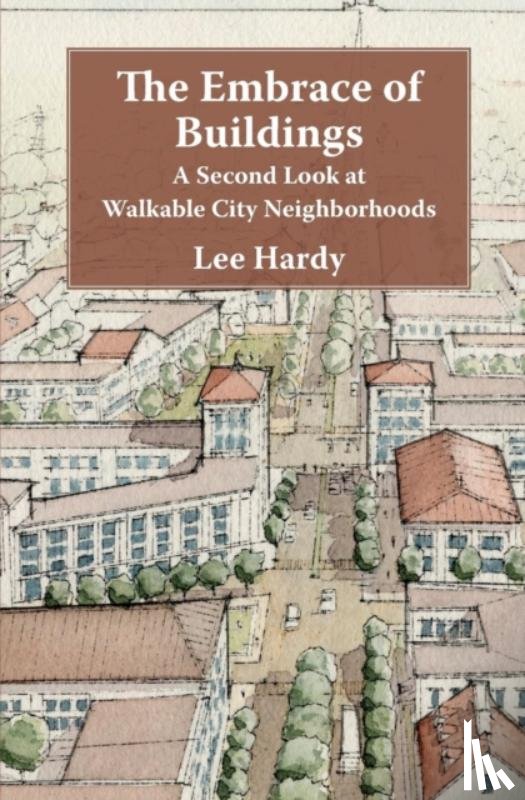
The Embrace of Buildings provides an overview of the key factors, topics, and issues in Anglo-American urbanism: the origins and development of the suburban ideal, the role of federal policies and spending priorities in shaping the built environment, the rise of the private automobile as the primary mode of transportation, the effects of functional zoning laws, the relation between the public realm and the quality of civic discourse, the influence of modernism on city planning, the impact of low-density development on public health, the connection between development and city budgets, the impact of urbanism on the environment, and the problem of gentrification. In a culture long enamored of the suburban ideal, Hardy invites his readers to reconsider the many advantages of living and working in walkable city neighborhoods-compact neighborhoods characterized by a fine network of pedestrian-friendly streets, mixed land uses, mixed housing types, and a full range of transit options. In addition, he investigates the role religion has played in defining American attitudes towards the city, and the difference church location makes in Christian ministry and mission.
I have a question about the book:
‘The Embrace of Buildings - Hardy, Lee’.
Fill in the form below.
We will respond as fast as possible.
We value your privacy
We use cookies to measure traffic, improve Boekstra and let Google tailor ads to your interests. You can keep using the site either way — even if you decline. More info