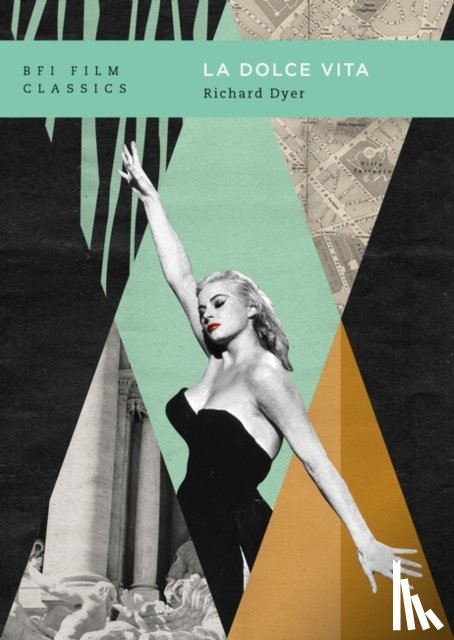
Fellini's La dolce vita has been a phenomenon since before it was made, a scandal in the making and on release in 1960 and a reference point ever since. Much of what made it notorious was its incorporation of real people, events and lifestyles, making it a documentation of its time. It uses performance, camera movement, editing and music to produce a striking aesthetic mix of energy and listlessness, of exuberance and despair. Richard Dyer's study considers each of these aspects of the film - phenomenon, document, aesthetic - and argues that they are connected. Beginning with the inspirations and ideas that were subsequently turned into La dolce vita, Dyer then explores the making of the film, the film itself and finally its critical reception, providing engaging new insights into this mesmerising piece of cinema.
I have a question about the book:
'La dolce vita - Dyer, Richard (King's College London'.
Fill in the form below.
We will respond as fast as possible.
We value your privacy
We use cookies to measure traffic, improve Boekstra and let Google tailor ads to your interests. You can keep using the site either way — even if you decline. More info