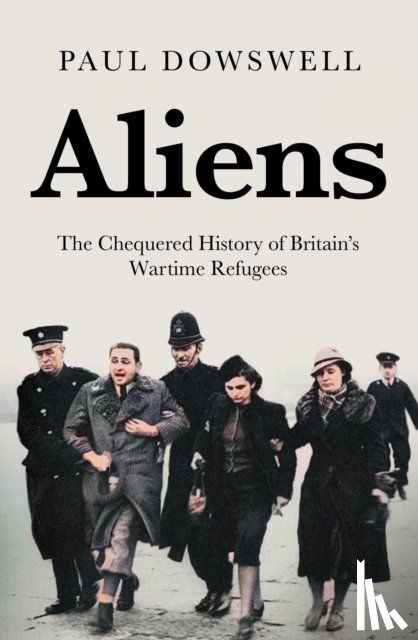
The Chequered History of Britains Wartime Refugees
Description
Thewelcome given to refugees from fascist Europe is part of Britains fondnostalgia for the Second World War. But there was a darker side to this story,both before and during the conflict. Then, as now, there was great suspicion,resentment and fear much of it kindled by Britains infamous tabloid press.Then, as now, government dealt with a reluctance to accommodate refugees byhiding behind bureaucratic hurdles. In the 1930s,Oswald Mosleys Blackshirts were a significant presence in British politics andsupport for Hitler went right to the top. In 1940, shortly before the Blitz,the recently abdicated Edward VIII even told a Spanish journalist that Britainought to be bombed to bring it to its senses and stop it opposing the Nazis. Many of the10,000 Kindertransport children have warm memories of the kindnessthey were shown, but around half a million anti-fascist and Jewish refugeeswere refused entry and most of them died as a result. Once here, German Jews,especially, found their troubles far from over 30,000 were rounded up andplaced in internment camps. One passenger ship, the Dunera, waspacked with an unhappy combination of German Jews and pro-Nazi sympathisers anddespatched to Australia. Making use ofin-depth research and first-hand interviews, Paul Dowswell casts a fresh eye onthe wartime era to paint a picture of what life was really like in Britain forrefugees from fascism. Interweaving personal testimonies with historical sources, Paul Dowswell casts a fresh eye on the wartime era, painting a vivid picture of what life was really like for Britain's refugees.
I have a question about the book:
'Aliens - Dowswell, Paul'.
Fill in the form below.
We will respond as fast as possible.
We value your privacy
We use cookies to measure traffic, improve Boekstra and let Google tailor ads to your interests. You can keep using the site either way — even if you decline. More info