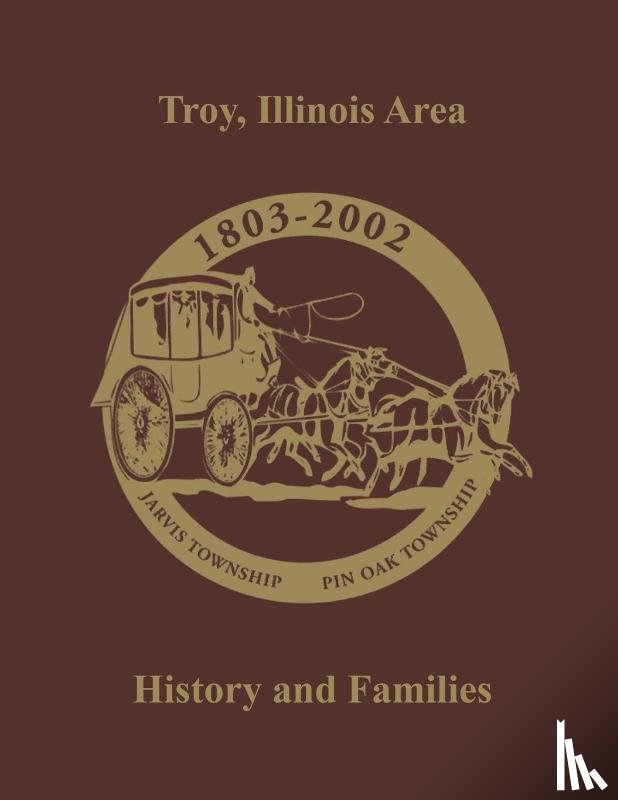
Long before it was the site of shopping centers, corporate headquarters, and universities, Troy was a humble pioneer settlement comprised of farms and small knots of buildings at simple crossroads known as Troy Corners, Big Beaver, and Halsey Corners. School bells, church socials, and harvesting seasons punctuated the simple country lives of early Troy residents. The establishment of the Detroit United Railway in 1898 brought new opportunities to Troy settlers, rattling up Livernois daily and transporting passengers, milk, and freight between Flint and Detroit. By the end of World War II, Troy was rapidly changing. Subdivisions replaced farms, the township was incorporated as the City of Troy, and gracious homes and new businesses quickly replaced the clusters of clapboard structures. This book utilizes the remarkable resources of the Troy Historical Society and the Troy Museum & Historic Village to document and celebrate Troy's development over the course of two centuries.
I have a question about the book:
'Troy (City), Il - Turner Publishing'.
Fill in the form below.
We will respond as fast as possible.
We value your privacy
We use cookies to measure traffic, improve Boekstra and let Google tailor ads to your interests. You can keep using the site either way — even if you decline. More info