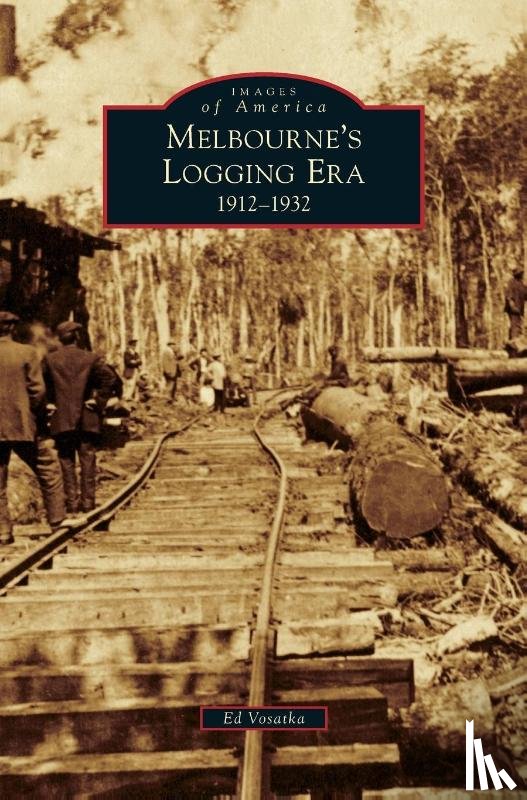
Melbourne was a quiet coastal town of 157 people on Florida's Indian River lagoon. Farming, ranching, fishing, and related trades supported the local economy. Melbourne entered the industrial age in 1912, when the Union Cypress Company began manufacturing lumber from the private cypress and pine holdings of George W. Hopkins at Deer Park. This timber had a 1911 market value of over $2 million. Good employment and a local source of lumber brought development, and the company-owned mill town of Hopkins was eventually annexed by Melbourne. The company provided Melbourne's first electricity and out-patient hospital. The Union Cypress Railway provided the first direct route to Florida's interior across the "impenetrable" St. Johns River and marsh, saving over 100 miles and countless hours of back-road travel via Enterprise, which was 80 miles to the north. It opened the vast St. Johns prairie lands for settlement and carried much of the regional commerce.
I have a question about the book:
'Melbourne's Logging Era - Vosatka, Ed'.
Fill in the form below.
We will respond as fast as possible.
We value your privacy
We use cookies to measure traffic, improve Boekstra and let Google tailor ads to your interests. You can keep using the site either way — even if you decline. More info