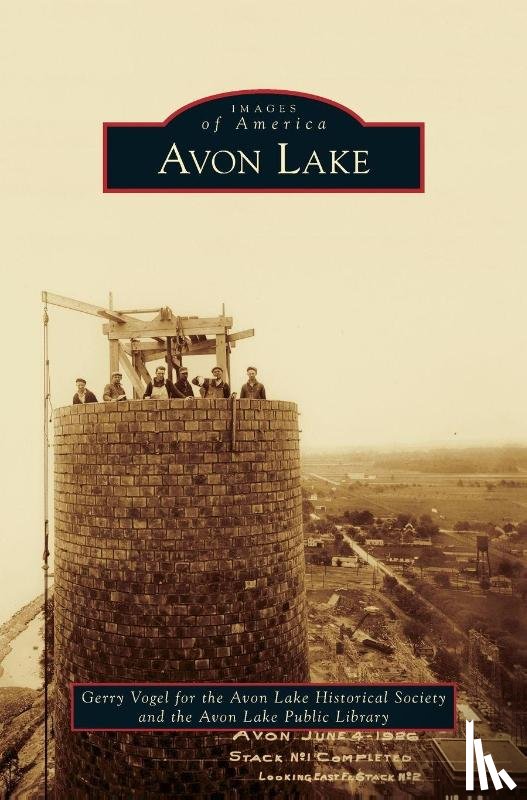
Vogel, Gerry, Avon Lake Historical Society, Gerry Vogel for the Avon Lake Historical
Description
Twenty miles west of downtown Cleveland, in the northeast corner of Lorain County, Avon Lake hugs five miles of Lake Erie shoreline. Once part of a land called Xeuma by the Erie Indians and later part of Tract Seven of the Western Reserve, the area was difficult
to tame, but forests became ships and swamps turned into fields. By 1900, the fields were mostly orchards and vineyards. The arrival of the Lake Shore Electric Railway turned the scattered rural township into a summertime resort destination, thus igniting a real estate boom. By World War II, the LSE was no more, but plentiful, affordable, and
locally produced electricity and water made Avon Lake a good place to make a living and a desirable place to reside. Fruehauf and B.F. Goodrich arrived and stayed, followed by more industry, commerce, suburban settlers, and commuters. Avon Lake became a city in 1960, and today 24,000 residents call it home.
I have a question about the book:
'Avon Lake - Vogel, Gerry, Avon Lake Historical Society, Gerry Vogel for the Avon Lake Historical'.
Fill in the form below.
We will respond as fast as possible.
We value your privacy
We use cookies to measure traffic, improve Boekstra and let Google tailor ads to your interests. You can keep using the site either way — even if you decline. More info