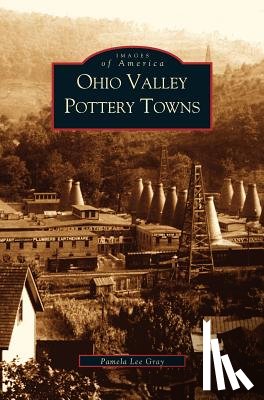
The Land Act of 1796 opened the gates for a flood of settlers into the lands of the Upper Ohio River Valley. The natural clay soils of the valley, coupled with an abundance of salt for glazing and the Ohio River as a nearby source for transportation, laid the foundation for what would become the pottery capital of the United States. Naming their new towns for those they left behind-Liverpool, Chester, Newell-English and Irish entrepreneurs established factories for making crockery. The industry boomed and, by the turn of the twentieth century, Ohio Valley pottery was being exported throughout the world. The story of pottery production is more than a list of manufacturers; the towns that grew around these factories and the lifestyles of the people who worked in them provide the social fabric of the Ohio Valley. From the early pioneer villages of the "hand-thrown" period to the towns with bustling shops and regular trolley service, residents built homes, schools, and churches, creating thriving communities.
I have a question about the book:
'Ohio Valley Pottery Towns - Gray, Pamela Lee'.
Fill in the form below.
We will respond as fast as possible.
We value your privacy
We use cookies to measure traffic, improve Boekstra and let Google tailor ads to your interests. You can keep using the site either way — even if you decline. More info