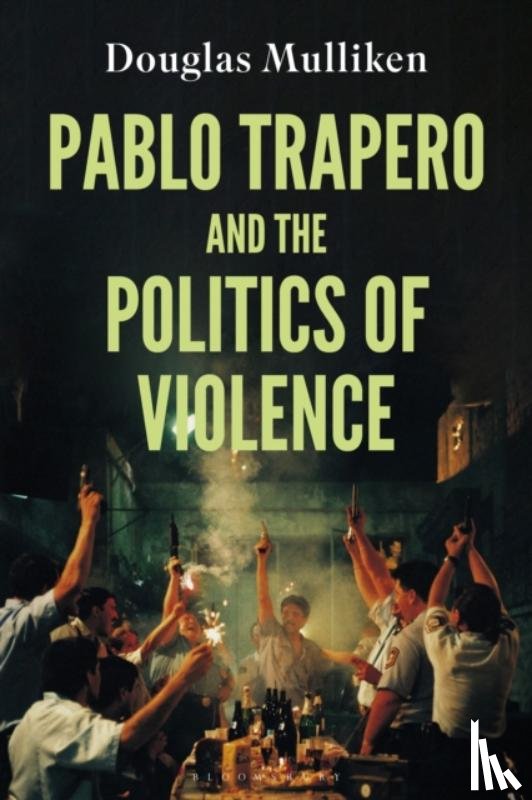
This innovative study finds that, through his unique representation of violence, Argentine director Pablo Trapero has established himself as one of the 21st century's distinctly political filmmakers. By examining the broad concept of violence and how it is represented on-screen, Douglas Mulliken identifies and analyzes the ways in which Trapero utilizes violence, particularly Zizek's concept of objective violence, as a means through which to mediate the politicalThrough a focus on several previously under-studied elements of Trapero's films, Mulliken highlights the ways in which the director's work represents present-day concerns about social inequalities and injustice in neoliberal Argentina on-screen. Finally, he examines how Trapero combines aspects of Argentina's long tradition of political film with elements of Nuevo Cine Argentino to create a unique political voice.
I have a question about the book:
'Pablo Trapero and the Politics of Violence - Mulliken, Douglas (University of the Western Cape'.
Fill in the form below.
We will respond as fast as possible.
We value your privacy
We use cookies to measure traffic, improve Boekstra and let Google tailor ads to your interests. You can keep using the site either way — even if you decline. More info