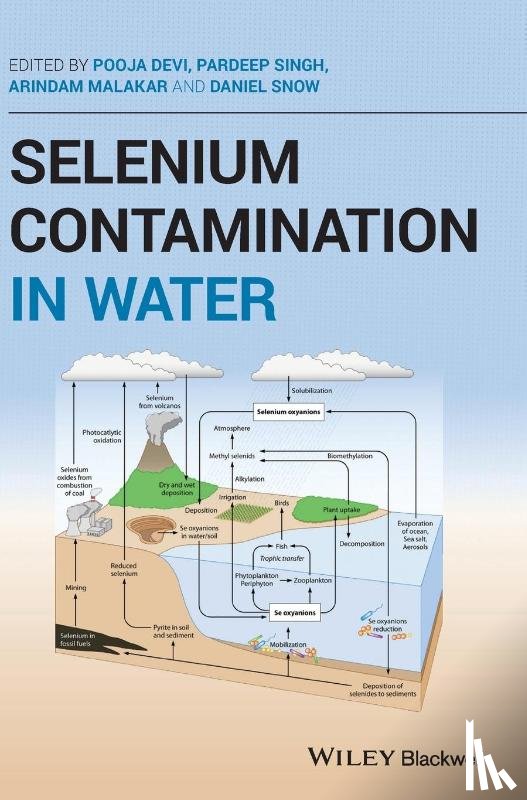
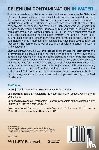
SELENIUM CONTAMINATION IN WATERThe contamination of the environment and water resources by Selenium (Se) and its oxyanions is of significant health and environmental concern. The primary sources responsible for selenium contamination include agricultural drainage water, mine drainage, residues from fossil fuels, thermoelectric power plants, oil refineries, and metal ores. High concentrations of selenium in water cause various adverse impacts on human health, such as carcinogenic, genotoxic, and cytotoxic effects. But in the lower concentrations, it is a useful constituent of the biological system. The range between toxicity and deficiency of selenium is minimal (40 to 400 ¿g per day), due to its dual nature. Various methods and technologies have been developed which focuses on the monitoring as well as treatment of selenium-containing waters and wastewater.Selenium Contamination in Water (present book) contains the latest status and information on selenium's origin, its chemistry, and its toxicity to humans. A special emphasis is given to its geological distribution, monitoring techniques, and remedial technologies. As such, the authors critically analyze the various techniques used for the monitoring and removal of selenium from water. Featuring chapters arranged according to the major themes of the latest research, with specific case studies from industrial experiences of selenium detection and removal. This book is an advanced reference and comprehensive book for students, researchers, practitioners, and policymakers working in the field of selenium.
I have a question about the book:
'Selenium Contamination in Water - '.
Fill in the form below.
We will respond as fast as possible.
We value your privacy
We use cookies to measure traffic, improve Boekstra and let Google tailor ads to your interests. You can keep using the site either way — even if you decline. More info