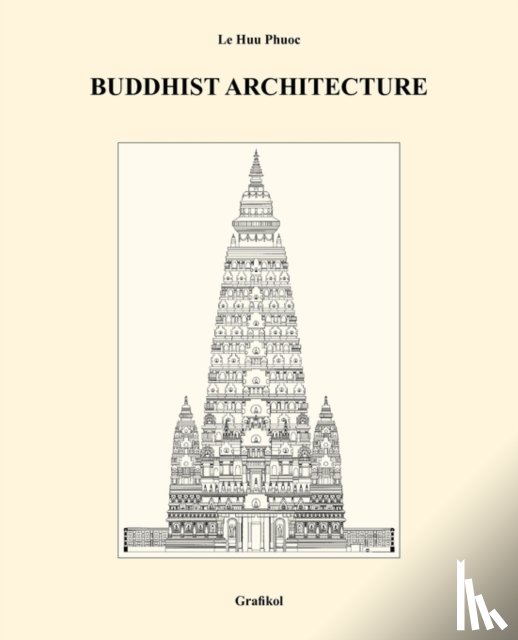
"The volume thoroughly examines the origins and principal types of Buddhist architecture in Asia primarily between the third century BCE-twelfth century CE with an emphasis on India. It aims to construct shared architectural traits and patterns alongwith the derivative relationships between Indian and Asian Buddhist monuments. It also discusses the historical antecedents in the Indus Civilization and the religious and philosophical foundations of the three schools of Buddhism and its founder, Buddha. Previously obscure topics such as Aniconic and Vajrayana (Tantric) architecture and the four holiest sites of Buddhism will also be covered in this comprehensive volume. The author further investigates the influences of Buddhist architecture upon Islamic, Christian, and Hindu architecture that have been overlooked by past scholars."
I have a question about the book:
‘Buddhist Architecture - Phuoc, Le Huu’.
Fill in the form below.
We will respond as fast as possible.
We value your privacy
We use cookies to measure traffic, improve Boekstra and let Google tailor ads to your interests. You can keep using the site either way — even if you decline. More info