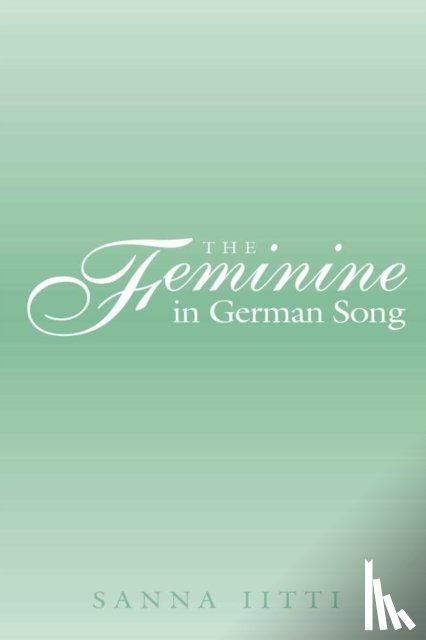
Nineteenth-century composers were drawn to subjects related to gender. Songs about women open a view into nineteenth-century understandings of gender and sexuality. The author argues about ways to hear sexual difference in Lied, analyzing musical compositions in the light of composer biographies and in terms of musical gestures. Her comparison of the Suleika and Lorelei songs by Romantic composers, including the Mendelssohns and the Schumanns, reveals cultural and sexual anxieties besides conflicting arguments about music and its perception. Both the songs and their critique illustrate the functioning of gender in nineteenth-century composition and aesthetic reasoning.
I have a question about the book:
'The Feminine in German Song - Iitti, Sanna'.
Fill in the form below.
We will respond as fast as possible.
We value your privacy
We use cookies to measure traffic, improve Boekstra and let Google tailor ads to your interests. You can keep using the site either way — even if you decline. More info