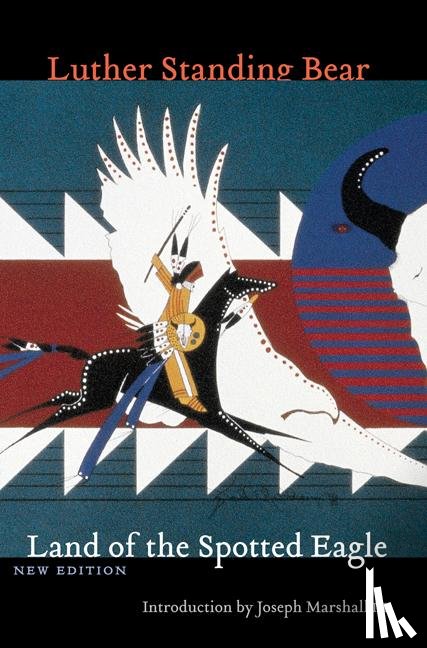
When Standing Bear returned to the Pine Ridge Sioux Reservation after sixteen years' absence, his dismay at the condition of his people may well have served as a catalyst for the writing of this book, first published in 1933. In addition to describing the customs, manners, and traditions of the Teton Sioux, Standing Bear also offered general comments about the importance of Native cultures and values and the status of Indian peoples in American society. With the assistance of Melvin R. Gilmore, curator of ethnology at the University of Michigan, and Warcaziwin, Standing Bear's niece and secretary, Standing Bear sought to tell the white man "just how" they "lived as Lakotans." Land of the Spotted Eagle is generously interspersed with personal reminiscences and anecdotes, including chapters on child rearing, social and political organization, family, religion, and manhood. Standing Bear's views on Indian affairs and his suggestions for the improvement of white-Indian relations are presented in the two closing chapters. Describing the customs, manners, and traditions of the Teton Sioux, this title also offers general comments about the importance of Native cultures and values and the status of Indian people in American society. It is interspersed with personal reminiscences and anecdotes, including chapters on child rearing, social and political organization.
I have a question about the book:
'Land of the Spotted Eagle - Standing Bear, Luther'.
Fill in the form below.
We will respond as fast as possible.
We value your privacy
We use cookies to measure traffic, improve Boekstra and let Google tailor ads to your interests. You can keep using the site either way — even if you decline. More info