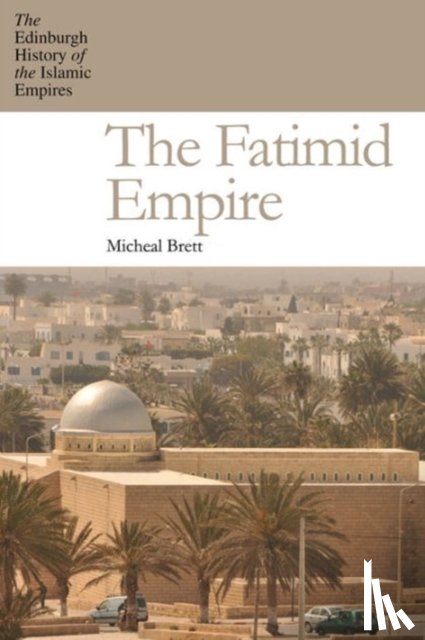
The Fatimid empire in North Africa, Egypt and Syria was at the centre of the political and religious history of the Islamic world in the Middle Ages, from the breakdown of the 'Abbasid empire in the tenth century, to the invasions of the Seljuqs in the eleventh and the Crusaders in the twelfth, leading up to its extinction by Saladin. As Imam and Caliph, the Fatimid sovereign claimed to inherit the religious and political authority of the Prophet, a claim which inspired the conquest of North Africa and Egypt and a following of believers as far away as India. The reaction this provoked was crucial to the political and religious evolution of mediaeval Islam. This book combines the separate histories of Isma'ilism, North Africa and Egypt with that of the dynasty into a coherent account. It then relates this account to the wider history of Islam to provide a narrative that establishes the historical significance of the empire. From the 10th century to the end of the 12th century, the Fatimid Empire played a central, yet controversial, role in the history of Islam. By relating it to the wider history of Islam, the Crusades and its theocratic counterparts in Byzantium and Western Europe, this book shows the full historical significance of the empire.
I have a question about the book:
'The Fatimid Empire - Brett, Michael'.
Fill in the form below.
We will respond as fast as possible.
We value your privacy
We use cookies to measure traffic, improve Boekstra and let Google tailor ads to your interests. You can keep using the site either way — even if you decline. More info