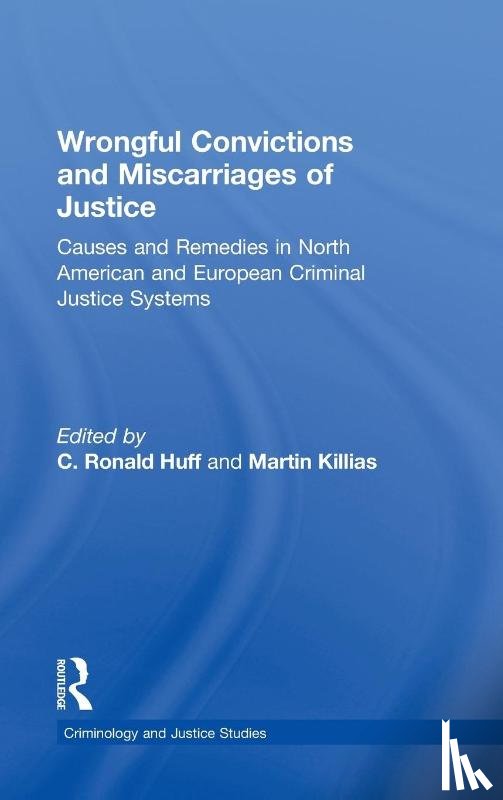
Causes and Remedies in North American and European Criminal Justice Systems
Description
This innovative work builds on Huff and Killias' earlier publication (2008), but is broader and more thoroughly comparative in a number of important ways:¿ (1) while focusing heavily on wrongful convictions, it places the subject of wrongful convictions in the broader contextual framework of miscarriages of justice and provides discussions of different types of miscarriages of justice that have not previously received much scholarly attention by criminologists; (2) it addresses, in much greater detail, the questions of how, and how often, wrongful convictions occur; (3) it provides more in-depth consideration of the role of forensic science in helping produce wrongful convictions and in helping free those who have been wrongfully convicted; (4) it offers new insights into the origins and current progress of the innocence movement, as well as the challenges that await the exonerated when they return to free society; (5) it assesses the impact of the use of alternatives to trials (especially plea bargains in the U.S. and summary proceedings and penal orders in Europe) in producing wrongful convictions; (6) it considers how the U.S. and Canada have responded to 9/11 and the increased threat of terrorism by enacting legislation and adopting policies that may exacerbate the problem of wrongful conviction; and (7) it provides in-depth considerations of two topics related to wrongful conviction:¿ voluntary false confessions and convictions which, although technically not wrongful since they are based on law violations, represent another type of miscarriage of justice since they are due solely to unjust laws resulting from political repression.¿
I have a question about the book:
'Wrongful Convictions and Miscarriages of Justice - '.
Fill in the form below.
We will respond as fast as possible.
We value your privacy
We use cookies to measure traffic, improve Boekstra and let Google tailor ads to your interests. You can keep using the site either way — even if you decline. More info