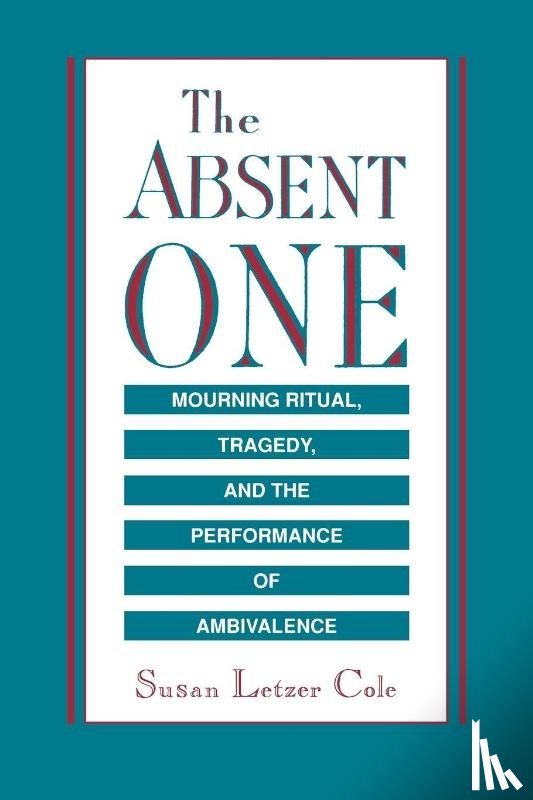
Mourning Ritual, Tragedy, and the Performance of Ambivalence
Description
Here is presented a new theory of the origins of tragedy, based on its perceived kinship with mourning ritual. Mourners and tragic protagonists alike journey through dangerous transitional states, confront the uncanny, express themselves in antithetical style, and, above all, enact their ambivalence toward their beloved dead. Elements common to both tragedy and mourning ritual are first identified in actual Chinese, African, and Greek funerary rites and then analyzed in tragedies by Aeschylus, Sophocles, Shakespeare, Racine, Ibsen, O'Neill, Miller, Beckett, and Ionesco. Included is a firsthand account of exploration of the tragedy-mourning link in the rehearsal process of the great experimental theater director, Joseph Chaikin. Opening her first chapter, Dr. Cole says, The grave is the birthplace of tragic drama and ghosts are its procreators. For tragedy is the performance of ambivalence which ghosts emblematize: what we fear in particular-the revenant, the ghost returning to haunt us-is also what we desire-the extending of life beyond the moment of death.
I have a question about the book:
'The Absent One - Cole, Susan L.'.
Fill in the form below.
We will respond as fast as possible.
We value your privacy
We use cookies to measure traffic, improve Boekstra and let Google tailor ads to your interests. You can keep using the site either way — even if you decline. More info