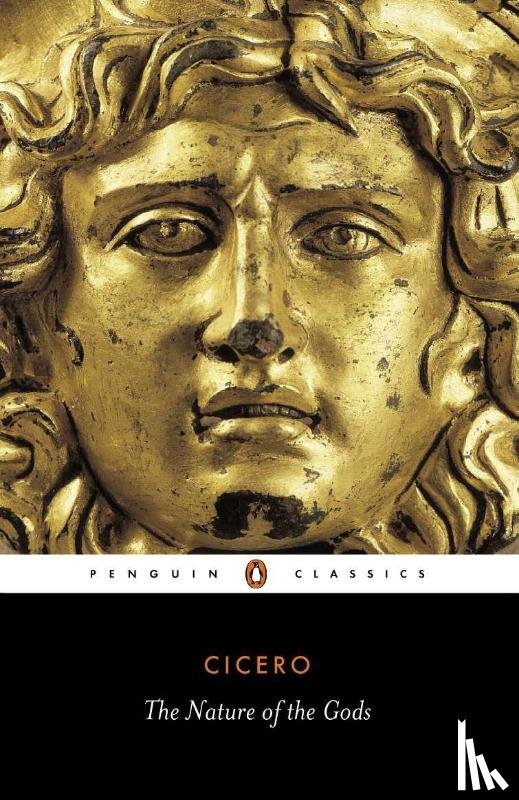
Towards the end of his life, Cicero turned away from his oratorical and political career and looked instead to matters of philosophy and religion. The dialogue The Nature of the Gods both explores his own views on these subjects, as a monotheist and member of the Academic School, and considers the opinion of other philosophical schools of the Hellenistic age through the figures of Velleius the Epicurean and Balbus the Stoic. Eloquent, clearly argued and surprisingly modern, it focuses upon a series of fundamental religious questions including: is there a God? If so, does he answer prayers, or intervene in human affairs? Does he know the future? Does morality need the support of religion? Profoundly influential on later thinkers, such as Saint Augustine and Thomas Aquinas, this is a fascinating consideration of fundamental issues of faith and philosophical thought.For more than seventy years, Penguin has been the leading publisher of classic literature in the English-speaking world. With more than 1,700 titles, Penguin Classics represents a global bookshelf of the best works throughout history and across genres and disciplines. Readers trust the series to provide authoritative texts enhanced by introductions and notes by distinguished scholars and contemporary authors, as well as up-to-date translations by award-winning translators.
I have a question about the book:
‘The Nature of the Gods - Cicero’.
Fill in the form below.
We will respond as fast as possible.
We value your privacy
We use cookies to measure traffic, improve Boekstra and let Google tailor ads to your interests. You can keep using the site either way — even if you decline. More info