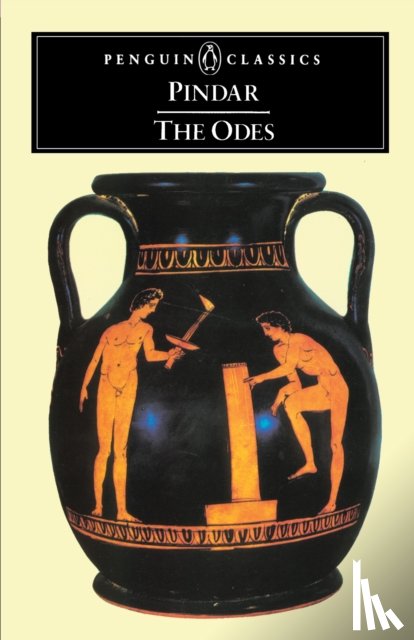
'What Pindar catches is the joy beyond ordinary emotions as it transcends and transforms them' -C. M. BowraArguably the greatest Greek lyric poet, Pindar (518-438 B.C.) was a controversial figure in fifth-century Greece-a conservative Boiotian aristocrat who studied in Athens and a writer on physical prowess whose interest in the Games was largely philosophical. Pindar's Epinician Odes-choral songs extolling victories in the Games at Olympia, Delphi, Nemea and Korinth-cover the whole spectrum of the Greek moral order, from earthly competition to fate and mythology. But in C. M. Bowra's clear translation his one central image stands out-the successful athlete transformed and transfigured by the power of the gods.For more than seventy years, Penguin has been the leading publisher of classic literature in the English-speaking world. With more than 1,700 titles, Penguin Classics represents a global bookshelf of the best works throughout history and across genres and disciplines. Readers trust the series to provide authoritative texts enhanced by introductions and notes by distinguished scholars and contemporary authors, as well as up-to-date translations by award-winning translators.
I have a question about the book:
‘The Odes of Pindar - Bowra, Cecil’.
Fill in the form below.
We will respond as fast as possible.
We value your privacy
We use cookies to measure traffic, improve Boekstra and let Google tailor ads to your interests. You can keep using the site either way — even if you decline. More info