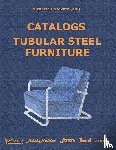
The period between the two world wars saw a revolution in the use of new materials in building and design: concrete and steel. Tubular steel came into use for household furnishings through designers such as Marcel Breuer, Mart Stam and Ludwig Mies van der Rohe. Maximum utility, simple, clear forms and low price levels were considered the essentials of well-designed consumer goods. The fashionable modern appeal, functionality and versatility of tubular steel furniture helped spread its popularity, and it became a symbol of modernism.
Among the major Czech producers of metal furniture were the factories of Hynek Gottwald, Mücke-Melder, Thonet-Mundus, Slezák and Vichr & Co. They offered furniture and interior furnishings for everyday use.
The originals of these catalog reprints date from the heyday of tubular steel furniture production: the 1930s. They show the diversity of the range, with hundreds of models of chairs, tables and similar furniture used in households, schools, hospitals, stores and gardens.
5 catalogs, 184 pages
I have a question about the book:
'Catalogs Tubular Steel Furniture - '.
Fill in the form below.
We will respond as fast as possible.
We value your privacy
We use cookies to measure traffic, improve Boekstra and let Google tailor ads to your interests. You can keep using the site either way — even if you decline. More info