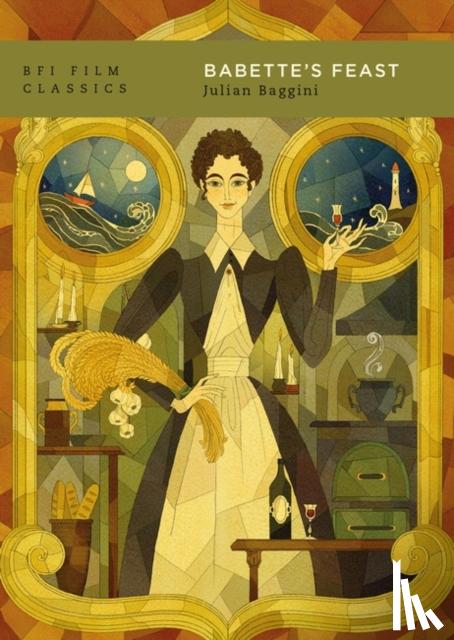
On the face of it, Gabriel Axel's Babette's Feast (1989) is a film in which the eyes - and mouths - of religious zealots are opened to the glories of the sensual world. It is a critique of what Nietzsche called life-denying religion in favour of life-affirming sensuality. But to view the film in that way is to get it profoundly wrong. In his study of the film, Julian Baggini argues that Babette's Feast is not about the battle between religiosity and secularity but a deep examination of how the two can come together. Baggini's analysis focuses on themes of love, pleasure, artisty and grace, to provide a rich philosophical reading of this most sensual of films.
I have a question about the book:
'Babette's Feast - Baggini, Dr Julian (Writer and philosopher'.
Fill in the form below.
We will respond as fast as possible.
We value your privacy
We use cookies to measure traffic, improve Boekstra and let Google tailor ads to your interests. You can keep using the site either way — even if you decline. More info