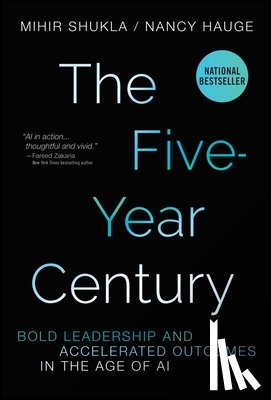
Bold Leadership and Accelerated Outcomes in the Age of AI
Description
The next five years will deliver a century's worth of disruption. When traditional levers of economic growth break down, bold leadership is necessary to reshape the future of work before it's too late. The incredible collision of forces brought by global demographic decline, productivity stagnation, and the rise of AI are driving change at a pace that rivals any in modern history. As workforces shrink and legacy operating models strain under their own complexity, organizations face an adapt-or-die moment. Silicon Valley veterans Mihir Shukla, Chairman and CEO of Automation Anywhere, one of the world's leading AI and agentic automation companies, and Nancy Hauge, an award-winning Chief People Experience Officer, combine decades of experience to give today's leaders battle-tested frameworks for delivering accelerated outcomes. Through vivid, unexpected case studies--ranging from the unsung heroes of enterprise tax departments to NFL quarterbacks who model how to work with AI agents--Shukla and Hauge teach readers how to break free from Industrial Age illusions, recognize inflection points early, and act decisively while others hesitate. Drawing on a combination of history and fresh case studies from transformations inside the world's largest organizations, the authors provide clear strategies for building AI-first operating models, cultivating trust-based cultures, and unleashing the skills development required to enable human-machine collaboration at scale. Written with the practicality and optimism that speaks directly to CEOs and boards driving enterprise transformation, CIOs and AI officers accountable for value realization, managers redesigning day-to-day workflows, and consultants guiding organizations through technological disruption, The Five-Year Century delivers the strategic clarity that leaders urgently need. Business school faculty, policymakers, and AI evangelists shaping the future of work will find an essential blueprint for why traditional approaches fail--and what must replace them.