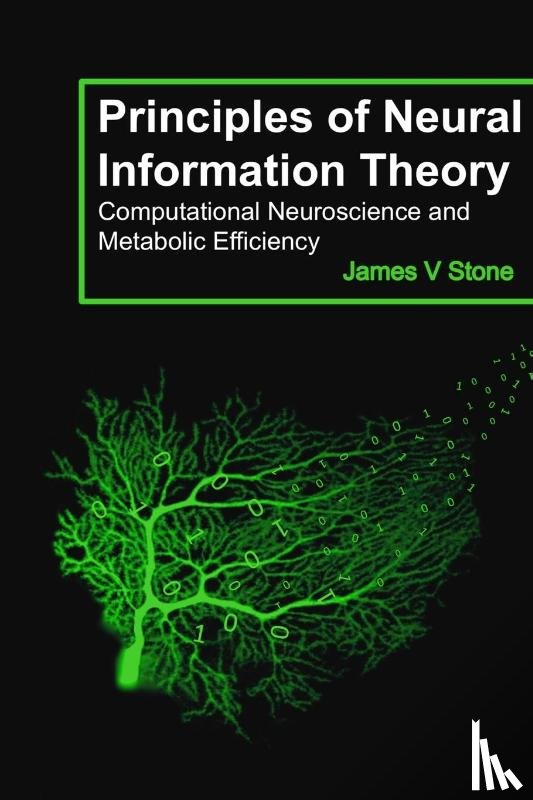
Computational Neuroscience and Metabolic Efficiency
Description
The brain is the most complex computational machine known to science, even though its components (neurons) are slow and unreliable compared to a laptop computer. In this richly illustrated book, Shannon's mathematical theory of information is used to explore the metabolic efficiency of neurons, with special reference to visual perception. Evidence from a diverse range of research papers is used to show how information theory defines absolute limits on neural efficiency; limits which ultimately determine the neuroanatomical microstructure of the eye and brain. Written in an informal style, with a comprehensive glossary, tutorial appendices, explainer boxes, and a list of annotated Further Readings, this book is an ideal introduction to cutting-edge research in neural information theory.
I have a question about the book:
'Principles of Neural Information Theory - Stone, James V.'.
Fill in the form below.
We will respond as fast as possible.
We value your privacy
We use cookies to measure traffic, improve Boekstra and let Google tailor ads to your interests. You can keep using the site either way — even if you decline. More info